
Climate adaptation in dry environments: lessons from the field
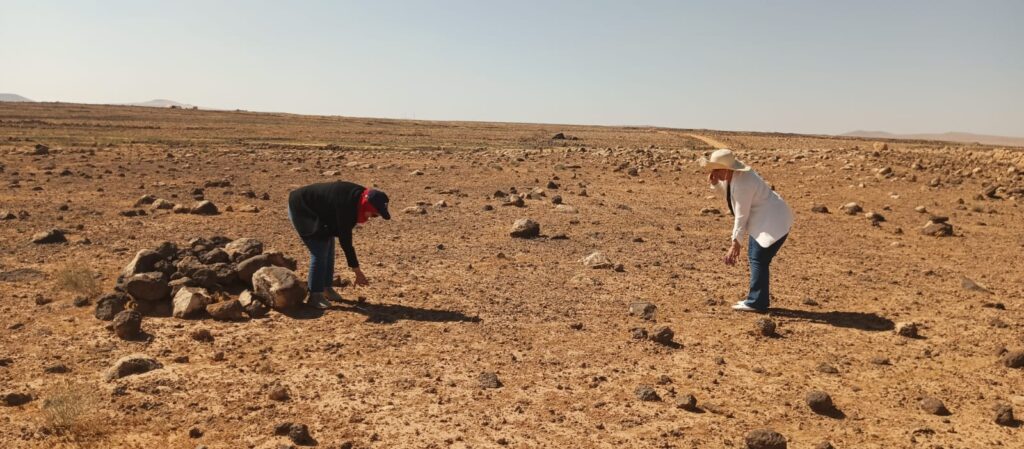
Read the place first
Before any solution, understand the rain, topography, soil and runoff routes, and how people use the land. Many solutions that worked in the past came from this careful reading.
Transfer the principle, not the shape
Copying the shape of an old reservoir does not bring the rain, the soil or people's agreement on its use. We try to understand the principle — collecting, settling, storing, reducing losses — and adapt it to the place.
Water, plants and soil together
Drought-adapted native plants protect the soil and help it hold moisture. That is why we link water harvesting with vegetation recovery.
Measure before you judge
A green photo does not prove improvement. We need a baseline, a reference site and repeated monitoring with a consistent method before saying an intervention worked.