Understanding a Changing Climate
Climate change is reshaping environmental, social and economic systems across the world. Rising temperatures, changing rainfall patterns, more frequent extreme events and shifting ecosystems affect communities, infrastructure, food systems, water resources and long-term development.
This page explores the causes, impacts and responses to climate change, with a focus on how climate risks interact with population dynamics, public policy and sustainable development.
Climate Trends
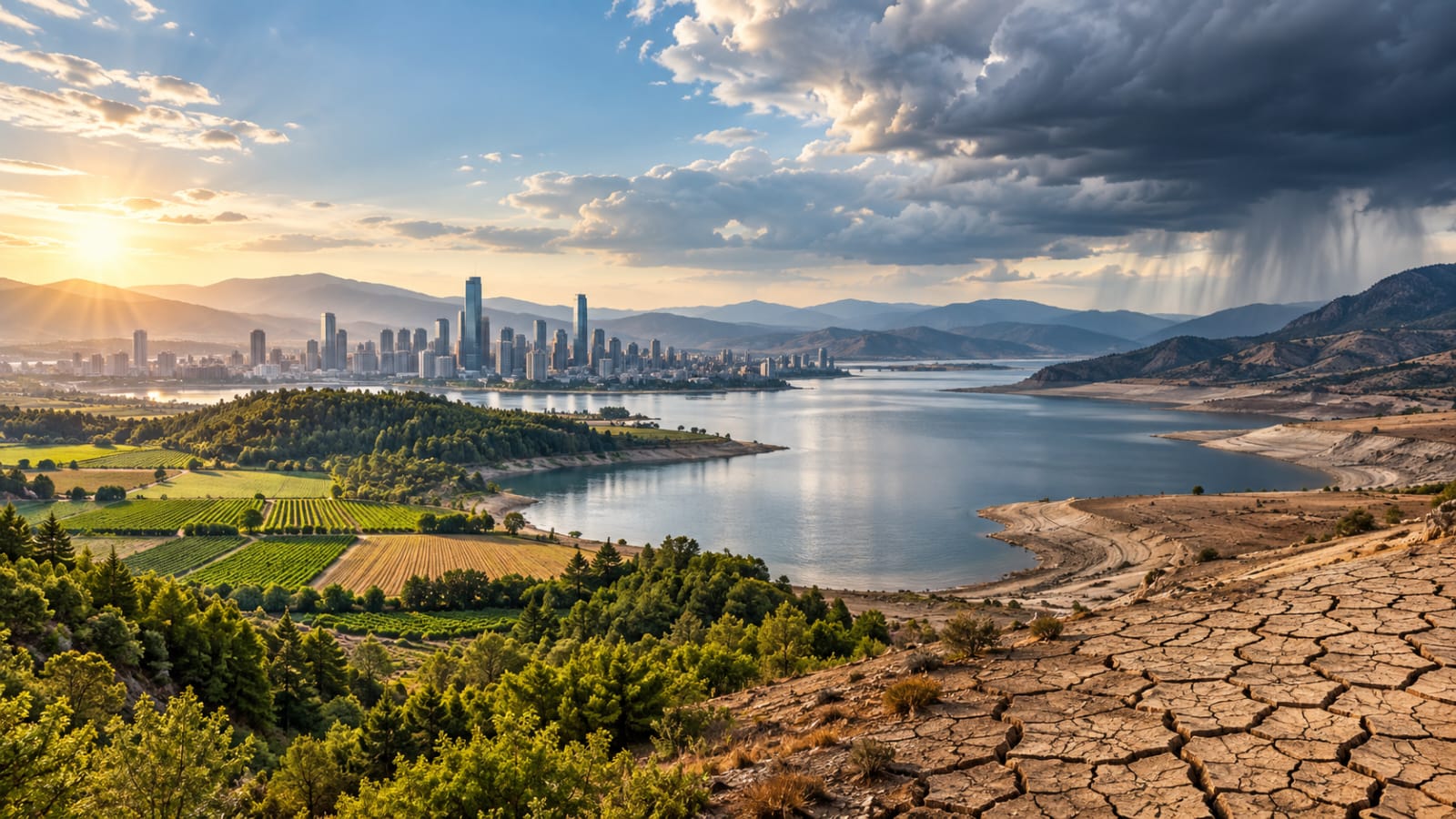
Changes in temperature, rainfall, drought patterns and extreme weather are altering environmental conditions across regions. Understanding these trends helps communities and decision-makers identify emerging risks and prepare for future conditions.
Climate Impacts
Climate change can affect water availability, agriculture, health, ecosystems, cities and infrastructure. The scale of these impacts varies according to geography, exposure, social vulnerability and the capacity of communities and institutions to respond.
Adaptation
Adaptation focuses on reducing vulnerability and helping societies adjust to present and future climate conditions. This may include improved water management, climate-resilient infrastructure, early-warning systems, ecosystem restoration and better planning.
Mitigation
Mitigation aims to limit future climate change by reducing greenhouse gas emissions and strengthening natural systems that absorb carbon. Energy transition, efficiency, sustainable transport, land management and technological innovation all play important roles.
People and Climate
Climate change does not affect all populations equally. Age, income, location, migration, access to services and social conditions can influence exposure and vulnerability. Understanding these differences is essential for fair and effective climate policy.
Climate Policy and Governance
Effective climate action depends on institutions, laws, financing, public participation and coordination across sectors. Governments, communities, researchers, civil society and the private sector all contribute to climate planning and implementation.
Looking Ahead
Future climate conditions will depend on choices made today. Better data, long-term planning, innovation and cooperation can help societies reduce risks while creating more resilient and sustainable futures.